That Sumantra, who knew the ancient sacred works, passed over the crowded entrance of the palace and reached the secluded inner apartment. In that area of the inner apartment, some youths , wearing darts and bows, were on security-duty with due vigilance and attention. They were all greatly devoted to the king and were wearing polished ear-rings.
वह पुराणों का ज्ञाता, लोगों से भरे अंतःपुर के द्वार को पार कर, एकांत कक्ष में पहुँचा। उस कक्ष की रक्षा युवा सैनिक कर रहे थे, जिन्होंने चमकीले कुंडल पहने थे और धनुष-बाण धारण किए हुए थे। वे सतर्क और अपने राजा के प्रति निष्ठावान थे।
There he saw aged palace-supervisors wearing orange coloured clothes, adorning themselves well, having canes in their hands, well composed and being posted at door-ways.
वहाँ, द्वार पर, भगवा वस्त्र पहने, छड़ी लिए हुए, अपने आसन पर बैठे हुए, अत्यंत शांत और व्यवस्थित स्त्री-अध्यक्षों को उन्होंने देखा।
Ayodhya Kanda – Sarga 16 · v3
ते समीक्ष्य समायान्तं रामप्रियचिकीर्षवः |
सहसोत्पतिताः सर्वे ह्यसनेभ्यः ससम्भ्रमाः || २-१६-४
All of them, the well-wishers of Rama, saw that Sumantra arriving and raised from their seats hurriedly at once.
राम को प्रसन्न करने की इच्छा से, उन्होंने आते हुए राम को देखकर, शीघ्रता से आसन से उठकर, बड़े आदर सत्कार के साथ उनका स्वागत किया।
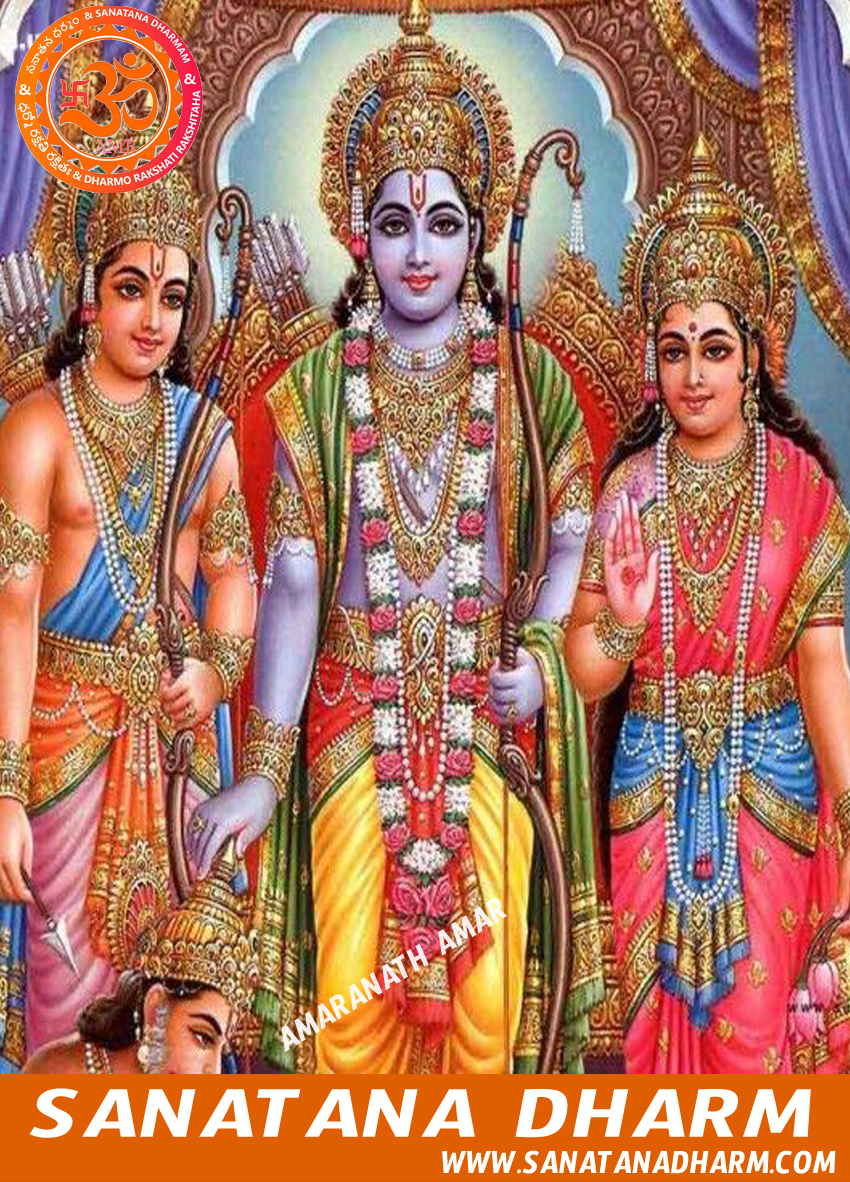
That Sumantra saw Rama sitting like Kubera on a golden couch with the best cloth-covering. He adorned himself well and had the body anointed with sandal perfume, purely smelling like blood of a boar. With Sita, standing on his side with chowrie in her hand, Rama was shining like moon with chitra star.
यहाँ संस्कृत श्लोक का सरल हिंदी अनुवाद दिया गया है: रथकार ने कुबेर के समान अलंकृत, सोने के पलंग पर बैठे हुए, उत्तम चंदन से लेपित, सुगंधित और पवित्र उस राजा को देखा। उनके पास एक सेविका पंखा झल रही थी, और वे ऐसे सुशोभित हो रहे थे जैसे चंद्रमा के पास सुंदर रात्रियाँ हों।
Sumantra, who knew polite conduct, offered salutation to Rama, who was refined with his own brilliance, shining like the sun and the fulfiller of desires.
सूर्य की तरह तेजस्वी और वरदान देने वाले उस राजा को, जो नियमों को जानता था और विनम्र था, बंदी ने आदरपूर्वक प्रणाम किया।
That best of men with great brilliance was pleased to hear those words, then honoured him and spoke thus to Sita.
ऐसा सुनकर महातेजस्वी नरसिंह अत्यंत प्रसन्न हुए। फिर उन्होंने सीता का सम्मान करते हुए यह कहा।
Ayodhya Kanda – Sarga 16 · v12
देवि देवश्च देवी च समागम्य मदंतरे |
मन्त्रेयेते ध्रुवं किंचित् अभिषेचन संहितम् || २-१६-१५
"Oh Sita! The king and the queen together are thinking of something about me, relating to coronation. It is certain."
हे देवी, हे देव, जब आप दोनों मेरे भीतर समागम करते हैं, तो निश्चित रूप से मंत्रों के साथ अभिषेक भी होता है। यह एक पवित्र मिलन है जो मंत्रोच्चार और अभिषेक से परिपूर्ण है।
"It is certainly our luck that king and queen have sent Sumantra, who fulfils my desires and wishes, as messenger".
यह मेरा सौभाग्य है कि राजा ने अपनी प्रिय रानी के साथ मिलकर मुझे सुमंत्र के रूप में अपना दूत बनाकर भेजा है। यह मेरे लिए अत्यंत महत्वपूर्ण और लाभकारी कार्य है।
Ayodhya Kanda – Sarga 16 · v16
यादृशी परिषत् तत्र तादृशो दूताअगतः |
ध्रुवमधैव मां राजा यौवराज्येऽभिषेक्ष्यति || २-१६-१९
"A worthy messenger has come who is truly representing the assembly there. It is certain that today itself the king will anoint me for the right of succession to kingdom".
जैसा सभासद थे, वैसे ही दूत आए। राजा निश्चय ही मुझे युवराज पद पर अभिषिक्त करेंगे।
Ayodhya Kanda – Sarga 16 · v17
हन्त शिघ्रमितो जत्वा द्रक्ष्यामि च महिपतिम् |
सह त्वं परिवारेण सुखमास्स्व रमस्व च || २-१६-२०
"I shall go immediately and see the king. You stay happily with the circle of friends and enjoy yourself."
अरे, मैं शीघ्र ही जाकर राजा से मिलूंगा। तुम अपने परिवार के साथ सुख से रहो और आनंद मनाओ।
Ayodhya Kanda – Sarga 16 · v18
पतिसम्मानिता सीता भर्तारम्असितक्षणा |
आ द्वारमनुवव्राज मङ्गलान्यभिदध्युषी || २-१६-२१
Sita, treated with respect by her husband and having black eyes, followed her husband up to the door, thinking of auspicious things in her mind.
पति द्वारा सम्मानित सीता, जिनकी आँखें कमल के समान थीं, अपने पति का अनुसरण करती हुई द्वार तक गईं और मंगलकारी बातें कहती रहीं।
Ayodhya Kanda – Sarga 16 · v19
राज्यं द्विजतिभीर्जुष्टं राजसूयभिषेचनम् |
कर्तुमर्हति ते राजा वासवस्येव लोककृत् || २-१६-२२
"King Dasaratha will give you kingdom, being served by brahmanas, which will invest you with eligibility to perform the great sacrifice at the coronation ceremony like Brahma to Devendra."
यह श्लोक कहता है कि जिस राजा ने राजसूय यज्ञ किया है और जो ब्राह्मणों से युक्त है, वह इंद्र के समान प्रजा का पालन करने योग्य है। ऐसा राजा पृथ्वी पर देवताओं के समान है।
Ayodhya Kanda – Sarga 16 · v20
दीक्षितं व्रतसम्पन्नं वराजिनधरं शुचिम् |
कुरङ्गशृङ्गपाणिं च पश्यन्ती त्वां भजाम्यहम् || २-१६-२३
"I shall be delighted to see you, initiated for the perfect religious act of austerity, wearing excellent antelope-hide, being pure and bearing a deer-horn in hand".
हे दीक्षित, व्रत का पालन करने वाले, मृगचर्म धारण करने वाले और पवित्र आपको देखकर, हे कुरंगशृंग (हिरण के सींग) धारण करने वाले, मैं आपकी भजना करता हूँ।
"May Indra the god of rain in the east, Yama the god of death in the south, Varuna the regent of the ocean in the west and Kubera the god of riches and treasure in the north, protect you".
पूर्व दिशा की रक्षा वज्रधारी इंद्र करें, दक्षिण दिशा की रक्षा यमराज करें। पश्चिम दिशा की रक्षा वरुण देव करें और उत्तर दिशा की रक्षा धन के स्वामी कुबेर करें।
That Rama who came out, like a lion residing in a mountain cave from out of the mountain, saw Lakshmana standing at the door, bowing with palms of the hand joined and put to the forehead as a mark of respect.
पर्वत से निकलकर गुफा में रहने वाला सिंह लक्ष्मण को द्वार पर हाथ जोड़े हुए खड़ा देखता है।
Ayodhya Kanda – Sarga 16 · v24
अथ मध्यमकक्ष्यायां समागच्छत् सुहृज्जनैः |
स सर्वानर्थिनो दृष्ट्वा समेत्य प्रतिनन्द्य च || २-१६-२७
ततः पावकसंकाशमारुरोह रथोत्तमम् |
वैयाघ्रं पुरुष्व्याघो राजितं राजनंदनः || २-१६-२८
Then, that prince the best of men, met his friends in the middle chamber. He saw all the people who came there to behold him, approached nearer to them, greeted them and mounted the excellent chariot, which was resplendent like fire and covered with tiger's skin.
मध्य कक्ष में मित्रों के साथ पहुँचकर, उसने सभी जरूरतमंदों को देखकर उनका स्वागत किया। फिर, बाघ के समान पराक्रमी राजा के पुत्र ने, आग के समान तेजस्वी और बाघ से सुशोभित उस उत्तम रथ पर चढ़ाई की।
That chariot was sounding like thunder. It was not congested. It was decorated with gold and jewels. Its splendour was like that of Meru mountain, stealing the eyes. Excellent horses looking like infantine elephants were tied to the chariot, which was moving quickly. That Rama shining with splendour like Indra, the lord of sky, mounted such a chariot and went forth quickly.
मेघों की गर्जना के समान ध्वनि वाला, मणि और सोने से सुशोभित, आँखों को चुंधिया देने वाली चमक से मेरु पर्वत के समान तेजस्वी, हाथी के बच्चों के समान शक्तिशाली घोड़ों से युक्त, इन्द्र के वज्र के समान तीव्र गति वाले रथ पर सवार होकर, श्री राम तेज से दमकते हुए शीघ्रता से चल पड़े।
Ayodhya Kanda – Sarga 16 · v26
स पर्जन्य इवाकाशे स्वनवानभिनादयन् || २-१६-३१
निकेतान्निर्ययौ श्रिमान् महाभ्रादिव चन्द्रमाः |
That splendid chariot, sounding like rain-cloud in the sky, came out of the house like moon coming out of a mighty cloud.
वह लक्ष्मीवान् पुरुष, जैसे आकाश में गर्जना करता हुआ मेघ, या महामेघ से निकला हुआ चन्द्रमा, अपने निवास स्थान से बाहर निकला।
Valiant persons, dressed in armour adorned with sandal and aloe perfumes, wearing swords and bows, declaring the arrival of Rama, went in front of Rama to receive him.
आगे-आगे उसके योद्धा, चंदन और अगुरु से सजे हुए, तलवार और धनुष धारण किए हुए, उत्साह से भरे हुए लोग चले।
Women of exquisitely beautiful form standing in palaces and on ground were offering salutations to Rama with the best words with a desire to please Rama.
राम की अत्यंत प्रियतमा सीता ने, अपने सुंदर अंगों से, श्रेष्ठ वचनों द्वारा, महल में और पृथ्वी पर स्थित सभी लोगों ने राम की वंदना की।
Ayodhya Kanda – Sarga 16 · v34
नूनं नन्दति ते माता कौसल्या मातृनन्दन || २-१६-३९
पश्यन्ती सिद्धयात्रं त्वं पित्र्यं राज्यमुपस्थितम् |
"Oh, Rama, who creates happiness to mother! Have successful journey! Your mother Kausalya will be certainly delighted to see you obtaining the paternal kingdom."
निश्चित रूप से, मैं आपकी सहायता कर सकता हूँ। **सरल हिंदी अनुवाद:** हे मातृभूमि को आनंदित करने वाले! तुम्हारी माता कौशल्या निश्चित रूप से प्रसन्न हो रही हैं। वे तुम्हें पितरों के राज्य को प्राप्त करने के लिए सिद्ध यात्रा पर जाते हुए देख रही हैं।
Ayodhya Kanda – Sarga 16 · v35
सर्वसीमन्तिनीभ्यश्च सीतां सीमन्तिनीं वराम् || २-१६-४०
अमन्यन्त हि ता नार्यो रामस्य हृदयप्रियाम् |
Those women thought that Sita, who is dear to Rama's heart, is better woman than all women.
सभी स्त्रियों में श्रेष्ठ सीता को वे स्त्रियाँ राम के हृदय की प्रियतमा मानती थीं।
Ayodhya Kanda – Sarga 16 · v36
तया सुचरितं देव्या पुरा नूनं महत्तपः || २-१६-४१
रोहिणीव शशाङ्केन रामसंयोगमाप या |
"As Rohini star stays together with the moon, Sita having obtained Rama as husband must have certainly performed a great penance in former times."
उस देवी ने पूर्वकाल में अवश्य ही महान तपस्या की होगी, जिसके कारण वह रोहिणी की तरह चंद्रमा के साथ राम के संयोग को प्राप्त हुई।
Then, Rama heard the words of people gathered there and also the words variously pertaining to himself, by citizens.
रघुकुल में जन्मे राम ने उस समय नगर में आए हुए लोगों की विविध बातें सुनीं, जो वे अपने मन के आनंद और अधिकार के अनुसार बोल रहे थे। वे सब लोग बहुत प्रसन्न थे।
"By the king's propitiousness, this Rama today is going to obtain this earth and the wealthy kingdom. All our desires are going to be fulfilled because Rama will become the ruler."
यह श्लोक राजा दशरथ के पुत्र राम के राज्याभिषेक के अवसर पर कहा गया है। **सरल हिंदी अनुवाद:** आज श्री राम को लक्ष्मी (समृद्धि) प्राप्त हो रही है। राजा की कृपा से वे और भी अधिक समृद्ध होंगे। हम सभी समृद्धि और इच्छाओं की पूर्ति चाहते हैं, और यह राम ही हमारे शासक बनेंगे।
"If Rama rules this state for a long time, it will be a great benefit to the people. If he becomes a king none can see dislike and sorrow at any time."
इस श्लोक का सरल हिंदी अनुवाद इस प्रकार है: इस राष्ट्र के लोगों का यह बहुत बड़ा लाभ है कि यह राष्ट्र चिरकाल तक बना रहेगा। क्योंकि जब तक मनुष्यों के अधिपति (राजा) के रूप में यह राष्ट्र विद्यमान है, तब तक किसी को भी अप्रिय या दुखी नहीं होना पड़ेगा।
While bards and panegyrists were moving in front praising with great respect, invoking blessings and eulogised by the most excellent instrumentalists, Rama, like Kubera the god of wealth, went with resounding horses and elephants.
यह श्लोक कुबेर के आगमन का वर्णन करता है। कुबेर, जो धन के देवता हैं, अपने साथ गर्जना करते हुए घोड़ों और हाथियों को लेकर चलते हैं। उनके आगे-आगे मंगल गीत गाते हुए सूत और मागध होते हैं, और श्रेष्ठ वादक उनकी स्तुति करते हैं।
Rama saw the great royal road which was spotlessly clean, having diamonds and various vendible commodities. It was full of male and female elephants, horses and chariots. There was abundance of people gathered at road junctions.
राम ने देखा कि वह विशाल मार्ग हाथियों, रथों और घोड़ों से भरा था, जहाँ बहुत सारे लोग थे और अनेक दुकानें थीं, जो रत्नों और अन्य वस्तुओं से भरी हुई थीं।